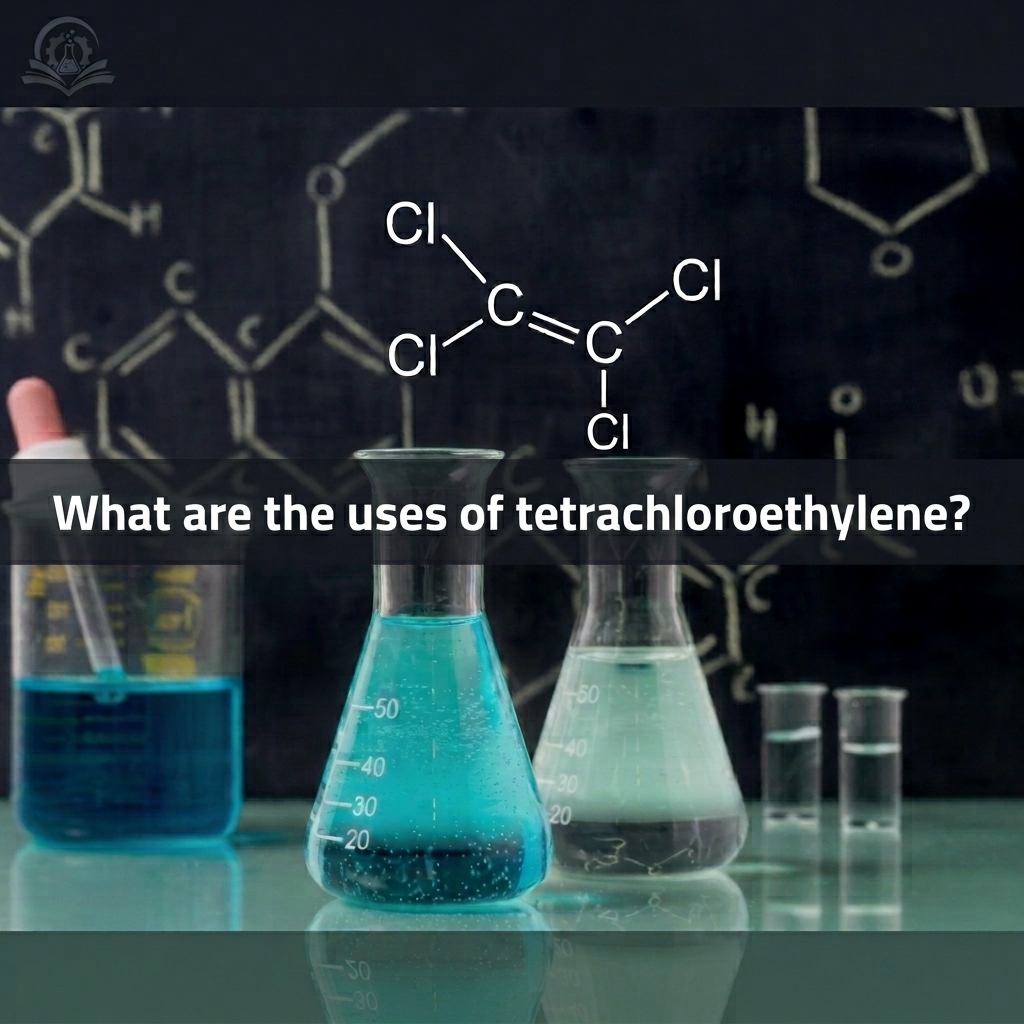
Tetrachloroethylene (C₂Cl₄), commonly known as Perchloroethylene or PERC, is a chlorinated hydrocarbon solvent widely used for dry cleaning fabrics and degreasing metals. It is a colorless, nonflammable liquid with a characteristic ether-like odor. PERC has strong solvent power for oils, greases, and waxes, making it one of the most important industrial cleaning agents.
Physical & Chemical Properties:
-
Chemical Formula: C₂Cl₄
-
Molar Mass: 165.83 g/mol
-
Appearance: Clear, colorless liquid
-
Odor: Sharp, sweet, ether-like
-
Density: 1.615–1.625 g/cm³ at 20°C (heavier than water)
-
Boiling Point: 120–122°C
-
Melting Point: ~–22°C
-
Water Solubility: Very low (<150 mg/L), but miscible with many organic solvents such as alcohols, chloroform, benzene.
-
Vapor Pressure: ~18–19 mmHg at 25°C (moderately volatile)
-
Chemical Stability: Stable under normal conditions; decomposes at high temperatures (>500°C) to form toxic gases such as phosgene (COCl₂) and hydrogen chloride (HCl).
Production Methods:
-
Chlorination of Ethylene or Ethane followed by dehydrochlorination of partially chlorinated intermediates.
-
Byproduct from Trichloroethylene production.
Industrial Uses:
-
Dry Cleaning
-
Metal Degreasing
-
Removes oils, greases, and contaminants from metal surfaces before coating, electroplating, or welding.
-
-
Wax and Oil Removal
-
Extraction Solvent
Health Hazards:
-
Acute Exposure (Inhalation): Can cause dizziness, headache, respiratory tract irritation, and central nervous system depression.
-
Skin Contact: Causes dryness and irritation.
-
Chronic Exposure: May damage liver and kidneys; classified by IARC as Group 2A (probably carcinogenic to humans).
-
Safe Handling: Use only in well-ventilated areas, wear chemical-resistant gloves and safety goggles.
Safety & Storage:
-
Store in tightly closed containers in a cool, ventilated place away from heat sources.
-
Nonflammable under normal conditions, but vapors are heavier than air and can accumulate in low-lying areas.
-
Avoid contact with strong oxidizers and reactive metals such as sodium and potassium.
Environmental Concerns:
PERC is persistent in the environment and can contaminate soil and groundwater. Many countries regulate or restrict its use due to environmental and health impacts.
Modern Alternatives:
Due to safety and environmental concerns, industries are replacing PERC
with:
-
High-purity hydrocarbons (e.g., DF-2000 solvent).
-
Supercritical CO₂ cleaning systems.
-
Professional wet cleaning systems using water and biodegradable detergents.